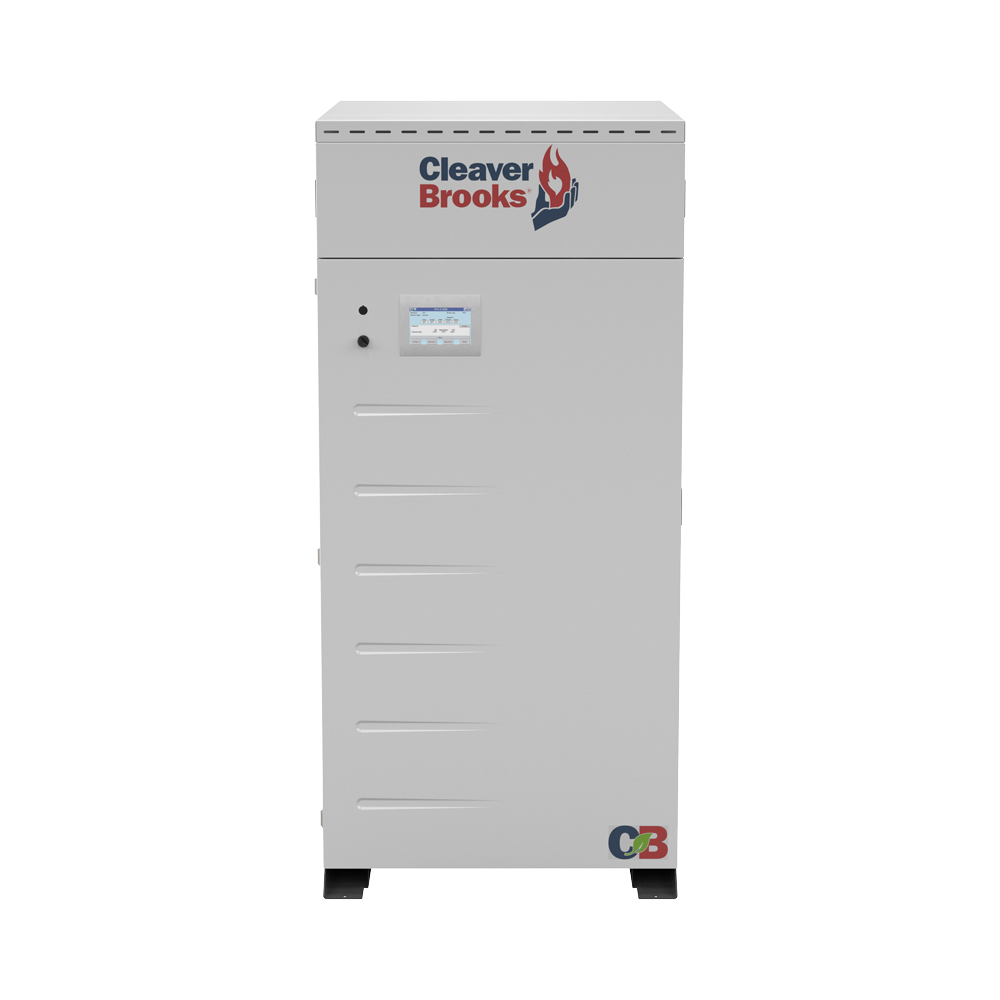
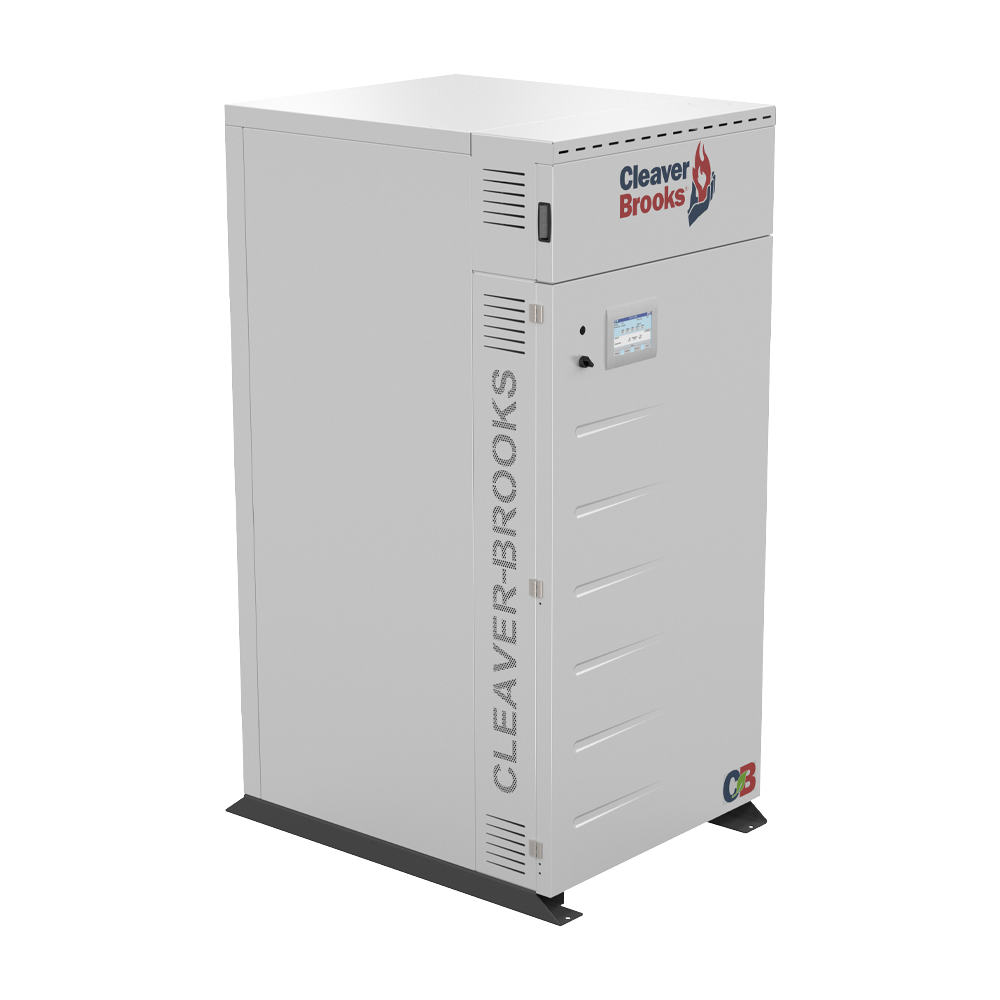
Model LVR Electric Hydronic Boiler

Model LVR Electric Hydronic Boiler

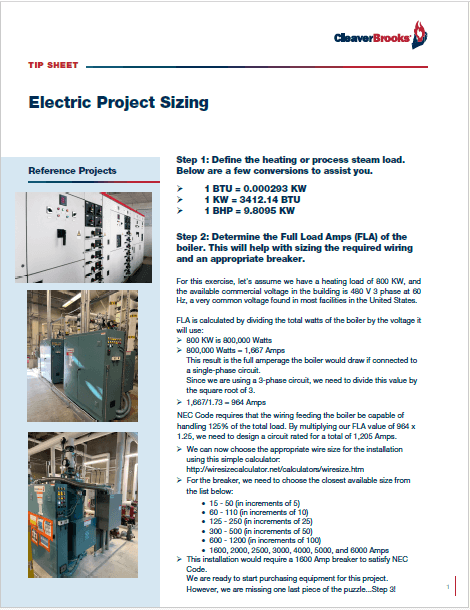
  • Electric Hydronic Boiler
  • 90 to 540 kW, 335 to 1850 MBTu
  • 480 – 600V
  • 160 psig
  • Zero-emissions

Request a Quote


Cleaver-Brooks electric boilers use electricity as an energy source for zero carbon footprint and zero site emissions, ideal for meeting emissions reduction or decarbonization goals. Electric boilers are also nearly 100% efficient, meaning all energy delivered to them is converted to steam or hot water.

 

  • Compact design and smaller footprint
  • No site emissions
  • Quiet operation with virtually no noise emissions
  • Nearly 100% efficiency at all operating points
  • Ease of maintenance with reduced complexity/number of moving parts
  • All units are fully packaged and ready for installation


The LVR Electric Hydronic boiler, an advanced compact zero-emissions solution, offering nearly 100% efficiency from 90 to 540 kW.
  • Healthcare
  • Schools
  • Apartments
  • Government
  • Bacterial Digester Pools
  • Swimming Pool
  • Thermal Storage
  • Building Heat
  • Supplemental Heat for Heat Pumps
  • Emissions (ppm NOx)
    Zero Emissions
  • Boiler Horsepower
    1 - 340
  • Input Capacity
    35 - 11,380
  • Steam Or Hot Water
    Hot Water
  • Vessel Design
    Vertical
  • Voltage
    480 - 600

Discover More

Tundra sym 2

Education & Training

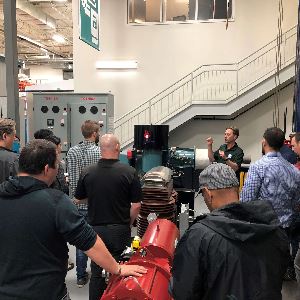
Cleaver-Brooks has a dedicated Training Department offering web-based programs, co-sponsored authorized representative regional programs, custom on-site programs at the customer’s facility, and programs held at Cleaver-Brooks facilities.

Learn More
thv_afmkt_Nov2012 (28)

Genuine Parts

Purchasing Cleaver-Brooks Genuine Parts is the best way to keep your boiler system operating at peak performance. Our parts are precision-engineered to fit your boiler, and they are rigorously tested for quality to ensure your boiler runs safely and reliably.

Shop Now
Mobile steam pic web small

Rental Solutions & Services

Our rental solutions provide for: capacity increases, peak demand, plant or steam outages, equipment shutdown due to inspection, retrofit or repair, and redundancy or disaster response contingency plans.

Learn More